
STEEP104
Hardware Design
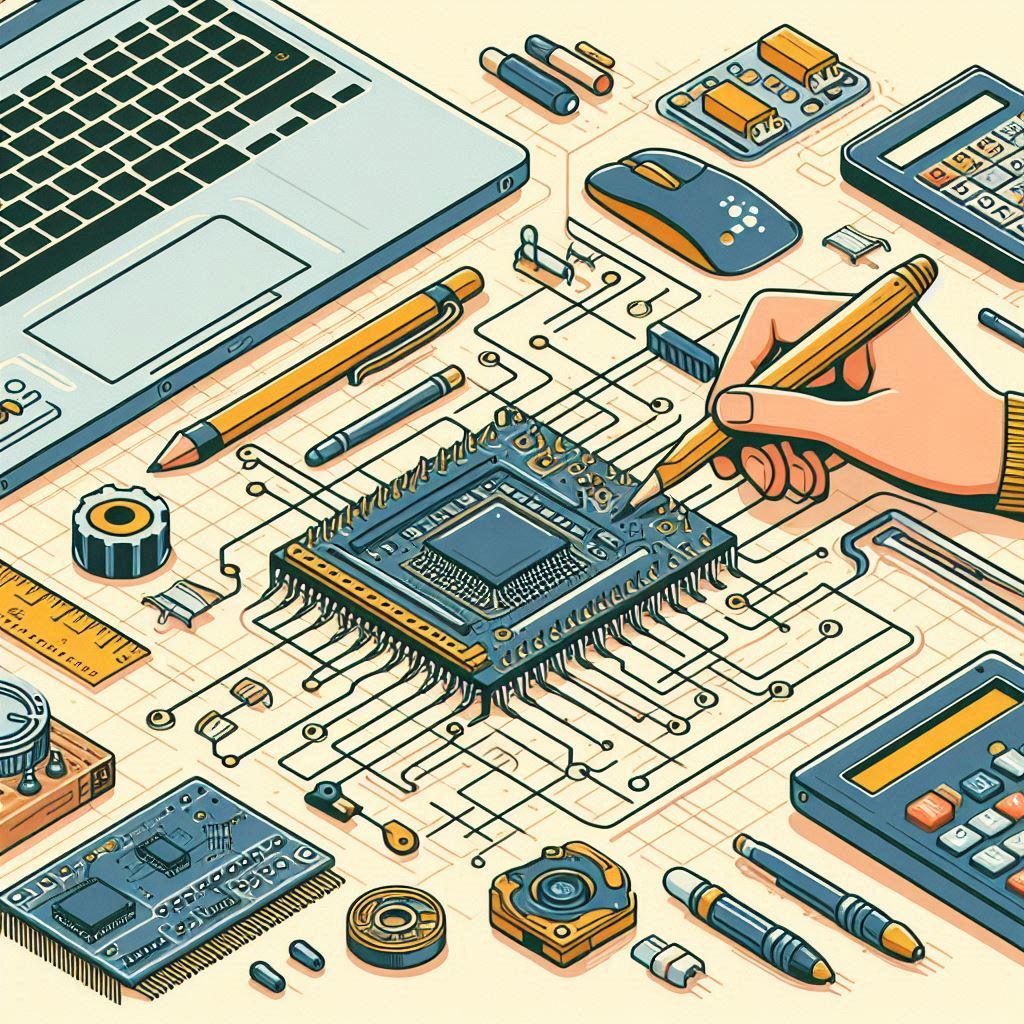
Unlock the world of innovation with our Electronic Hardware Design Course, specially crafted for students eager to explore the fundamentals of electronics and circuit design! This hands-on program covers essential topics such as schematic design, PCB layout, and prototyping techniques, providing you with practical skills and knowledge to create functional electronic systems. Guided by experienced instructors, you’ll work on real-world projects that foster creativity and critical thinking, equipping you with the tools to turn your ideas into tangible products. Join us to ignite your passion for electronics and lay the foundation for a rewarding career in the technology field!
Program details
Program Code: STEEP104
Availability: Open
Location: 4211 Yonge st. office
Start Date: TBD
Duration: 4 weeks
Schedule: TBD
Tuition: 250$ + HST
Program description
Our Electronic Hardware Design Course offers students a comprehensive introduction to the principles and practices of electronic design. Throughout the program, you will delve into key areas, including:
- Fundamentals of Electronics: Understand the basic concepts of voltage, current, resistance, and circuit theory, laying the groundwork for more complex designs.
- Schematic Design: Learn how to create clear and effective schematics using industry-standard software, enabling you to visualize and document your electronic circuits.
- PCB Layout and Design: Explore the process of designing printed circuit boards (PCBs), including component placement, routing, and ensuring design rules are followed for manufacturability.
- Prototyping Techniques: Gain hands-on experience with prototyping tools and techniques, including breadboarding and soldering, to build and test your electronic projects.
- Testing and Troubleshooting: Develop skills in testing and troubleshooting electronic circuits, using oscilloscopes, multimeters, and other diagnostic tools to ensure functionality and reliability.
- Project-Based Learning: Engage in practical projects that allow you to apply your skills to real-world challenges, encouraging creativity and problem-solving.
- Portfolio Development: Build a professional portfolio showcasing your designs and projects, preparing you for future educational or career opportunities in electronics and engineering.
By the end of this course, you’ll have a solid understanding of electronic hardware design and the confidence to embark on further studies or pursue a career in this dynamic field. Join us and take the first step toward becoming an innovative electronic designer!way for future innovation and exploration in science and technology.
Registration form
Please complete this form, and we will promptly reach out to confirm your registration and assist with payment processing. If you have any specific questions or would like to schedule a free consultation, feel free to email us directly at admin@digitra.ca.
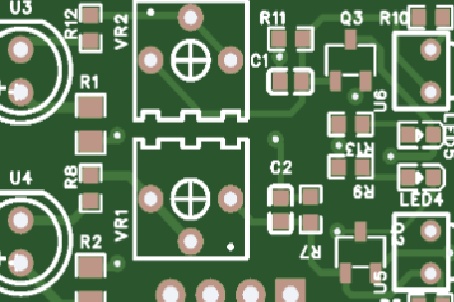
Printer circuit Board (PCB)
3D design

Electronics

Coding

Robotics
Science